Tattoo Allergies: Signs, Causes & What to Do Next
February 16, 2026
6 min read
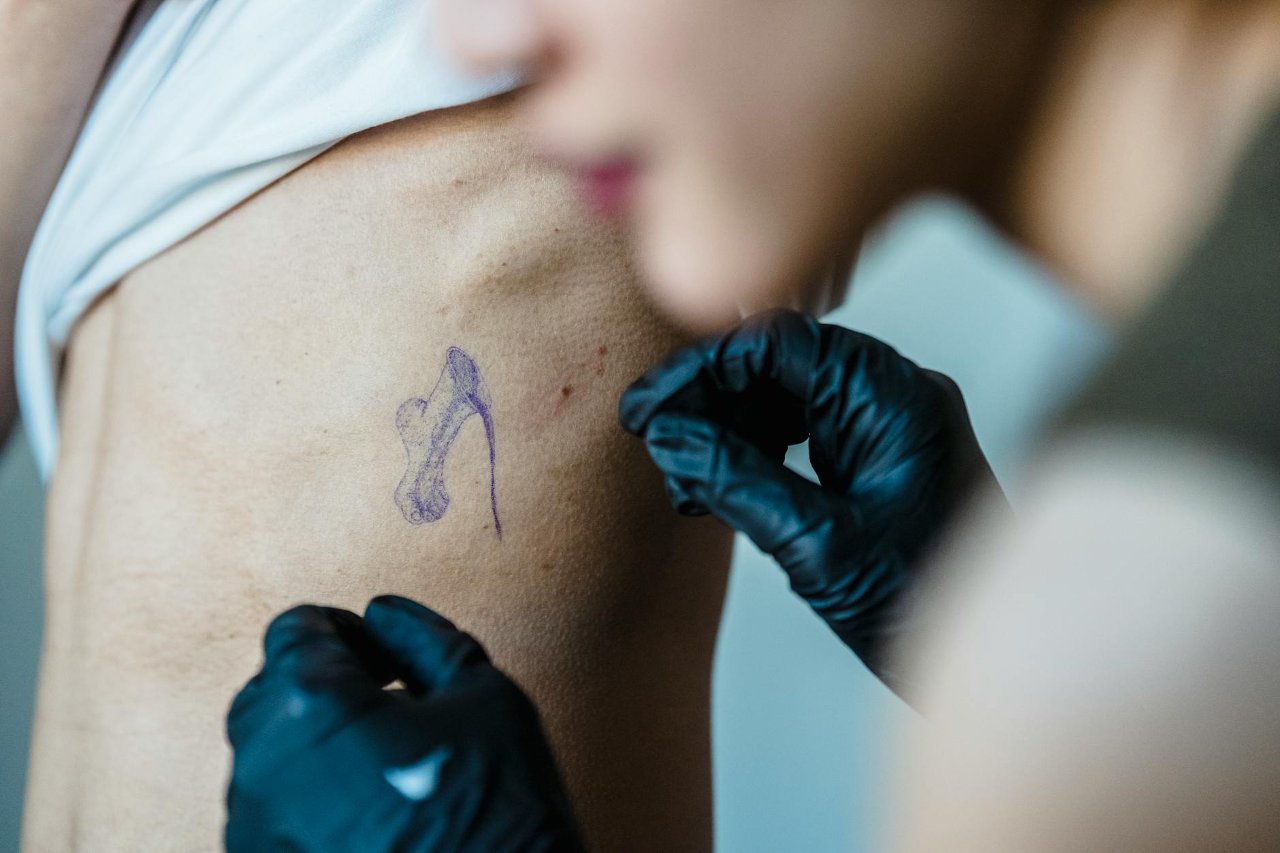
Fresh tattoos are supposed to be a little spicy. Warm, tight, lightly swollen, kind of like a sunburn that decided to commit. But tattoo allergies are a different vibe, and honestly, they can sneak up on people who thought they had “easy skin.” I’ve watched someone in a studio swear their piece was healing fine… until the itch turned into raised, angry bumps that wouldn’t quit.
Here’s how to spot tattoo allergies, what usually causes them, and what to do without panicking or, worse, making it worse.
THE SIGNS THAT IT’S MORE THAN NORMAL HEALING
Look, most tattoos do some weird stuff while they heal. Flaking, peeling, mild itching, a little redness around the lines. Normal.
Tattoo allergies tend to feel louder and last longer. The big tells are: - Intense itching that doesn’t calm down after the first week - Raised, bumpy, or hive-like skin in specific inked areas - Redness that spreads or looks inflamed instead of fading - Oozing, weeping, or crusting that keeps coming back (not just normal scabbing) - A rash that shows up only where certain colors are (classic) - Delayed reactions, like weeks, months, even years later, especially in sunny weather
One time in a shop in Brooklyn, I saw a guy with a perfectly healed tattoo… except the red petals. Every summer, those petals puffed up like they were trying to become 3D. That’s not “my skin is quirky,” that’s an allergic-type reaction.
WHAT CAUSES TATTOO ALLERGIES (AND WHY RED GETS BLAMED)
Tattoo allergies are usually your immune system deciding a pigment is a problem. Sometimes it’s immediate, sometimes it’s delayed.
The most common culprits: - Pigments, especially red inks (and sometimes yellow) which have a long history of causing reactions - Certain additives or preservatives in ink (varies by brand and formulation) - Metal-based components in some pigments (people with metal sensitivities can get surprised) - Sun exposure triggering inflammation in a healed tattoo - A mix-up with aftercare products, like fragranced lotions or heavy ointments trapping moisture and irritating the skin
But here’s the thing: irritation is not always allergy. Over-moisturizing can cause little bumps. Shaving or second-skin adhesive can cause contact dermatitis. Even a too-tight wrap can make skin freak out.
That’s why timing and pattern matter. If only one color is reacting, or it keeps coming back in the same spots, tattoo allergies jump higher on the list.
WHAT TO DO IF YOU THINK YOU HAVE A REACTION
And please, don’t go nuclear with random creams from your bathroom cabinet.
Try this instead: - Contact your tattoo artist and send clear photos in good light. A good artist has seen a lot and can tell you if it looks like irritation, infection, or allergy. - Stop using any new products. Go back to simple, fragrance-free soap and a light, plain moisturizer. - Don’t scratch. I know. But scratching can tear healing skin and invite infection. - Avoid tight clothing and heavy ointments that trap heat and moisture.
If symptoms are intense or spreading, get medical help. You should see a clinician urgently if you have: - Facial swelling, trouble breathing, or widespread hives - Fever, increasing pain, or red streaking (infection warning signs) - Pus, a bad smell, or worsening heat and swelling
For mild suspected allergic reactions, a pharmacist or clinician may recommend an antihistamine or a topical steroid, but you want guidance, especially on a fresh tattoo. Slapping strong steroid cream on a brand-new piece without advice can mess with healing.
PREVENTING TATTOO ALLERGIES BEFORE YOU GET INKED
But prevention is where you really win.
In my experience, the best move is choosing an artist who’s transparent about their materials and aftercare, and who won’t act offended if you ask questions. Platforms like Tattoomii make it easy to browse portfolios, then you can message artists about ink brands, sensitive-skin protocols, and how they handle reactions.
Practical steps that actually help: - Tell your artist about known allergies (metals, latex, adhesives, fragrances). - Ask what ink brand they use and whether they can avoid colors you’ve reacted to before. - Consider a small test spot if you’ve had reactions in the past (not foolproof, but better than gambling on a full sleeve). - Be cautious with red, especially if you have a history of eczema or contact dermatitis. - Don’t mix aftercare products. Keep it boring and consistent.
And if you’re the type who gets rashes from jewelry, watch bands, or cheap earrings, take that seriously. It doesn’t mean you can’t get tattooed. It means you plan like an adult.
WHEN IT’S NOT ALLERGY (BUT STILL NEEDS ATTENTION)
Here’s the thing: people call everything a “tattoo allergy,” but infections and irritation are more common and can look similar.
Irritation usually improves steadily with gentle care. Infection tends to get worse: more pain, more swelling, more heat, and gunk that looks unmistakably wrong.
Allergy is often stubborn. Itches like crazy, flares up, and can target one pigment. If you’ve got a healed tattoo that suddenly gets raised when you’re in the sun or stressed, that’s a classic “go get it checked” moment.
FAQ
How do I tell tattoo allergies from normal healing? Normal healing calms down day by day. Tattoo allergies often stay intensely itchy, raised, or rashy past the first week, or they flare repeatedly in the same inked areas, especially specific colors.
Can tattoo allergies show up months or years later? Yes. Delayed reactions happen, especially with certain pigments and sun exposure. A tattoo can look healed and still become raised or itchy later.
What ink color causes the most allergic reactions? Red is the most notorious, with yellow also commonly mentioned. That said, any pigment can cause a reaction depending on your immune system and the specific formulation.
Should I remove the tattoo if I have an allergic reaction? Not automatically. Many reactions can be managed medically. Removal can sometimes worsen inflammation, so talk to a dermatologist or clinician first, especially if the reaction is severe or recurring.
Here’s how to spot tattoo allergies, what usually causes them, and what to do without panicking or, worse, making it worse.
THE SIGNS THAT IT’S MORE THAN NORMAL HEALING
Look, most tattoos do some weird stuff while they heal. Flaking, peeling, mild itching, a little redness around the lines. Normal.
Tattoo allergies tend to feel louder and last longer. The big tells are: - Intense itching that doesn’t calm down after the first week - Raised, bumpy, or hive-like skin in specific inked areas - Redness that spreads or looks inflamed instead of fading - Oozing, weeping, or crusting that keeps coming back (not just normal scabbing) - A rash that shows up only where certain colors are (classic) - Delayed reactions, like weeks, months, even years later, especially in sunny weather
One time in a shop in Brooklyn, I saw a guy with a perfectly healed tattoo… except the red petals. Every summer, those petals puffed up like they were trying to become 3D. That’s not “my skin is quirky,” that’s an allergic-type reaction.
WHAT CAUSES TATTOO ALLERGIES (AND WHY RED GETS BLAMED)
Tattoo allergies are usually your immune system deciding a pigment is a problem. Sometimes it’s immediate, sometimes it’s delayed.
The most common culprits: - Pigments, especially red inks (and sometimes yellow) which have a long history of causing reactions - Certain additives or preservatives in ink (varies by brand and formulation) - Metal-based components in some pigments (people with metal sensitivities can get surprised) - Sun exposure triggering inflammation in a healed tattoo - A mix-up with aftercare products, like fragranced lotions or heavy ointments trapping moisture and irritating the skin
But here’s the thing: irritation is not always allergy. Over-moisturizing can cause little bumps. Shaving or second-skin adhesive can cause contact dermatitis. Even a too-tight wrap can make skin freak out.
That’s why timing and pattern matter. If only one color is reacting, or it keeps coming back in the same spots, tattoo allergies jump higher on the list.
WHAT TO DO IF YOU THINK YOU HAVE A REACTION
And please, don’t go nuclear with random creams from your bathroom cabinet.
Try this instead: - Contact your tattoo artist and send clear photos in good light. A good artist has seen a lot and can tell you if it looks like irritation, infection, or allergy. - Stop using any new products. Go back to simple, fragrance-free soap and a light, plain moisturizer. - Don’t scratch. I know. But scratching can tear healing skin and invite infection. - Avoid tight clothing and heavy ointments that trap heat and moisture.
If symptoms are intense or spreading, get medical help. You should see a clinician urgently if you have: - Facial swelling, trouble breathing, or widespread hives - Fever, increasing pain, or red streaking (infection warning signs) - Pus, a bad smell, or worsening heat and swelling
For mild suspected allergic reactions, a pharmacist or clinician may recommend an antihistamine or a topical steroid, but you want guidance, especially on a fresh tattoo. Slapping strong steroid cream on a brand-new piece without advice can mess with healing.
PREVENTING TATTOO ALLERGIES BEFORE YOU GET INKED
But prevention is where you really win.
In my experience, the best move is choosing an artist who’s transparent about their materials and aftercare, and who won’t act offended if you ask questions. Platforms like Tattoomii make it easy to browse portfolios, then you can message artists about ink brands, sensitive-skin protocols, and how they handle reactions.
Practical steps that actually help: - Tell your artist about known allergies (metals, latex, adhesives, fragrances). - Ask what ink brand they use and whether they can avoid colors you’ve reacted to before. - Consider a small test spot if you’ve had reactions in the past (not foolproof, but better than gambling on a full sleeve). - Be cautious with red, especially if you have a history of eczema or contact dermatitis. - Don’t mix aftercare products. Keep it boring and consistent.
And if you’re the type who gets rashes from jewelry, watch bands, or cheap earrings, take that seriously. It doesn’t mean you can’t get tattooed. It means you plan like an adult.
WHEN IT’S NOT ALLERGY (BUT STILL NEEDS ATTENTION)
Here’s the thing: people call everything a “tattoo allergy,” but infections and irritation are more common and can look similar.
Irritation usually improves steadily with gentle care. Infection tends to get worse: more pain, more swelling, more heat, and gunk that looks unmistakably wrong.
Allergy is often stubborn. Itches like crazy, flares up, and can target one pigment. If you’ve got a healed tattoo that suddenly gets raised when you’re in the sun or stressed, that’s a classic “go get it checked” moment.
FAQ
How do I tell tattoo allergies from normal healing? Normal healing calms down day by day. Tattoo allergies often stay intensely itchy, raised, or rashy past the first week, or they flare repeatedly in the same inked areas, especially specific colors.
Can tattoo allergies show up months or years later? Yes. Delayed reactions happen, especially with certain pigments and sun exposure. A tattoo can look healed and still become raised or itchy later.
What ink color causes the most allergic reactions? Red is the most notorious, with yellow also commonly mentioned. That said, any pigment can cause a reaction depending on your immune system and the specific formulation.
Should I remove the tattoo if I have an allergic reaction? Not automatically. Many reactions can be managed medically. Removal can sometimes worsen inflammation, so talk to a dermatologist or clinician first, especially if the reaction is severe or recurring.
Written By Noa