History of Tattooing: Ancient Marks to Modern Art
February 18, 2026
5 min read
The History That Still Lives in the Skin
The history of tattooing isn’t some dusty timeline. You can feel it when a needle hits the skin and that first clean line settles in. Tattoos have always been more than decoration. They’ve been identity, protection, status, grief, devotion, rebellion. Sometimes all of it at once.
I remember sitting in a little studio in Brooklyn years ago, watching an artist sketch flash straight onto stencil paper, talking about how certain motifs traveled from port to port. It hit me that every tattoo is part of a bigger story, even the tiny ones.
Ancient Ink: Tribes, Tools, and Meaning
Look, people love to act like tattooing is a modern trend. It’s not. Ancient tattoos show up across the world, and a lot of them weren’t “cute” or casual. They were serious.
In many tribal tattooing traditions, marks signaled adulthood, lineage, rank, or spiritual protection. Tools were made from bone, thorns, sharpened sticks, and soot-based inks. The process was often communal, painful on purpose, and tied to ritual.
And here’s the thing: those designs weren’t just aesthetic. Placement mattered. Patterns carried specific meanings. When you’re thinking about getting something “tribal-inspired” today, it’s worth slowing down and asking where it comes from and what it’s connected to.
Sailors, Soldiers, and the Spread of Tattoo Culture
A huge chapter in the history of tattooing is movement. People traveled, got tattooed, brought the idea home, and suddenly a symbol from one place showed up in another with a new meaning.
Sailor tattoos are the classic example. Anchors, swallows, pin-up girls, roses, religious icons, names, dates. Some of it was bravado, sure, but a lot of it was deeply practical and emotional:
- Swallows for miles traveled and the hope of returning home - Nautical stars for guidance when you’re lost - Names and portraits as portable memory - Protective symbols because the ocean is not gentle
But tattooing also got tangled up with class and stigma. For a long time in the West, tattoos were associated with “rough” people, criminals, outsiders. Which, honestly, is part of why some people fell in love with them. There’s always been a little electricity in choosing to mark yourself anyway.
The Machines and the Shops: Modern Tattooing Takes Shape
Once the electric tattoo machine entered the picture, everything sped up. Cleaner lines, faster sessions, more repeatable designs. Tattoo shops became their own ecosystem: flash on the walls, regulars in the chair, apprentices sweeping floors and watching every movement like it’s sacred.
A friend of mine got her first tattoo at 30 and said the wildest part wasn’t the pain, it was realizing how much trust you hand over to an artist. That trust is the heartbeat of modern tattooing. It’s why the best shops feel like a mix of craft studio and confession booth.
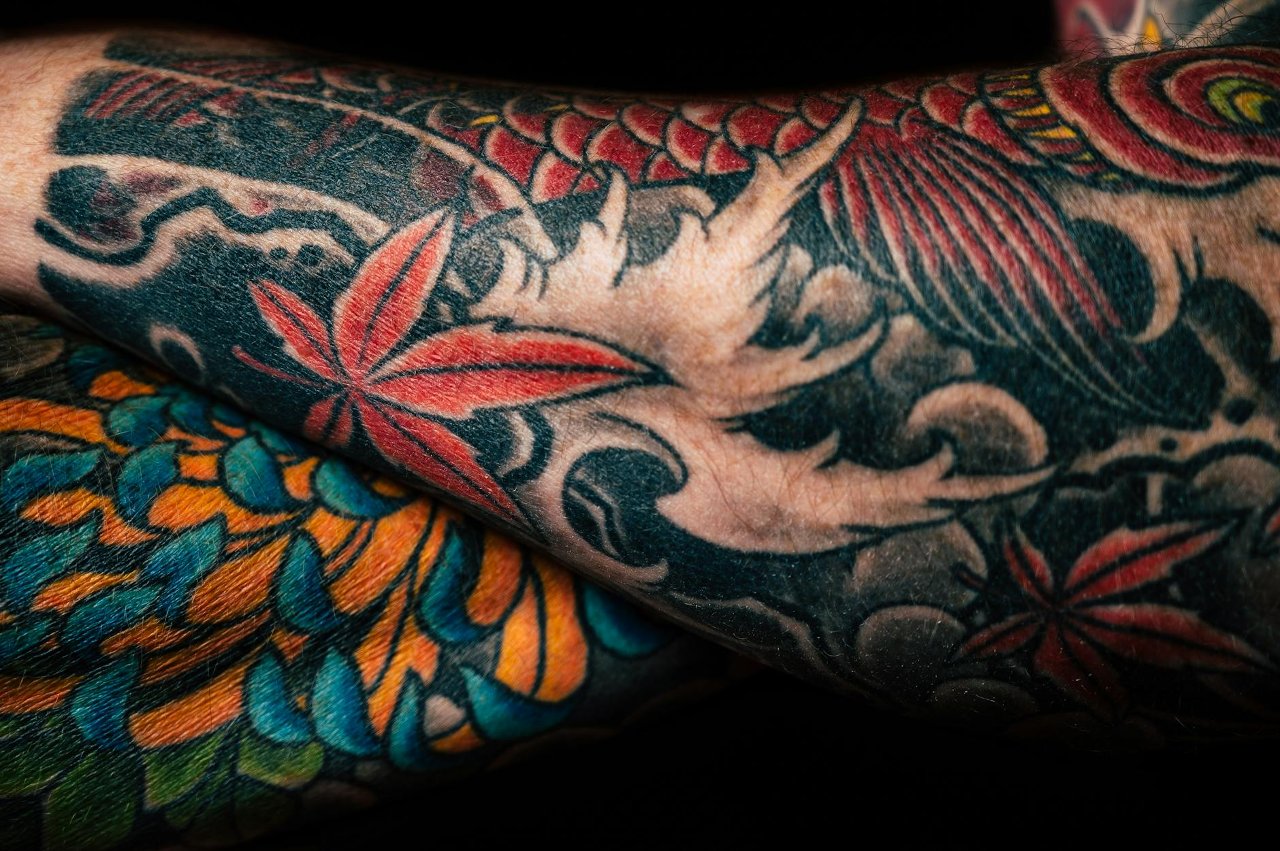
Traditional tattoo styles (American traditional, Japanese irezumi, and so on) also solidified into recognizable “languages” around this time. Bold lines, deliberate palettes, motifs that hold up for decades. People argue about style like sports teams, but longevity matters. Skin is not paper.
Modern Tattoo Art: Where We’re At Now
Now we’re in an era where tattooing is undeniably art, and the range is insane: fine line, blackwork, realism, illustrative, neo-traditional, ornamental, cybersigilism, you name it. Artists cross-pollinate styles the way musicians do.
But more visibility comes with more responsibility. The modern chapter of the history of tattooing includes real conversations about cultural appropriation, consent, and credit. If you’re pulling from a culture that isn’t yours, do the work. Research the origins. Ask an artist who knows the history. Be willing to change the design.
Practical advice, from someone who’s seen a lot of regret tattoos:
- Don’t shop by price. Shop by healed work. Fresh tattoos are marketing. - If a design is trend-heavy, ask yourself how it’ll look when the trend dies. - Choose placement with aging in mind. Sun and friction are undefeated. - Bring references, but don’t micromanage. Let artists do what you’re paying them for.
And if you’re hunting for the right style match, platforms like Tattoomii make it easier to browse portfolios in one place and actually compare work before you commit.
What the History of Tattooing Teaches Us
The big lesson? Tattoos have always been a mirror. They reflect what a culture values, fears, worships, and rebels against. The needle changes, the ink changes, the social rules change. The urge to mark meaning into the body doesn’t.
So when you get tattooed, you’re not just collecting art. You’re participating in a tradition that’s older than most of the things we call “civilization.” That’s heavy, in the best way.
FAQ
How far back does the history of tattooing go? Ancient tattoos go back thousands of years, with evidence found on mummified bodies and in long-standing Indigenous and tribal traditions across multiple continents.
Are tribal tattoos okay to get if I’m not from that culture? Sometimes, but it’s complicated. Many tribal designs are culturally specific and sacred. If you’re drawn to that look, research the tradition, avoid copying direct cultural markers, and talk to an artist who understands the background.
What’s the best way to choose a tattoo style that will age well? Look for strong composition, readable contrast, and artists who show healed photos. Bold doesn’t always mean “traditional,” but clarity usually wins over time.
Why do some tattoo shops feel intimidating? Because tattooing is a craft with hierarchy, pride, and a lot of unspoken rules. A good shop still makes you feel welcome, answers questions clearly, and never pressures you into a decision.
The history of tattooing isn’t some dusty timeline. You can feel it when a needle hits the skin and that first clean line settles in. Tattoos have always been more than decoration. They’ve been identity, protection, status, grief, devotion, rebellion. Sometimes all of it at once.
I remember sitting in a little studio in Brooklyn years ago, watching an artist sketch flash straight onto stencil paper, talking about how certain motifs traveled from port to port. It hit me that every tattoo is part of a bigger story, even the tiny ones.
Ancient Ink: Tribes, Tools, and Meaning
Look, people love to act like tattooing is a modern trend. It’s not. Ancient tattoos show up across the world, and a lot of them weren’t “cute” or casual. They were serious.
In many tribal tattooing traditions, marks signaled adulthood, lineage, rank, or spiritual protection. Tools were made from bone, thorns, sharpened sticks, and soot-based inks. The process was often communal, painful on purpose, and tied to ritual.
And here’s the thing: those designs weren’t just aesthetic. Placement mattered. Patterns carried specific meanings. When you’re thinking about getting something “tribal-inspired” today, it’s worth slowing down and asking where it comes from and what it’s connected to.
Sailors, Soldiers, and the Spread of Tattoo Culture
A huge chapter in the history of tattooing is movement. People traveled, got tattooed, brought the idea home, and suddenly a symbol from one place showed up in another with a new meaning.
Sailor tattoos are the classic example. Anchors, swallows, pin-up girls, roses, religious icons, names, dates. Some of it was bravado, sure, but a lot of it was deeply practical and emotional:
- Swallows for miles traveled and the hope of returning home - Nautical stars for guidance when you’re lost - Names and portraits as portable memory - Protective symbols because the ocean is not gentle
But tattooing also got tangled up with class and stigma. For a long time in the West, tattoos were associated with “rough” people, criminals, outsiders. Which, honestly, is part of why some people fell in love with them. There’s always been a little electricity in choosing to mark yourself anyway.
The Machines and the Shops: Modern Tattooing Takes Shape
Once the electric tattoo machine entered the picture, everything sped up. Cleaner lines, faster sessions, more repeatable designs. Tattoo shops became their own ecosystem: flash on the walls, regulars in the chair, apprentices sweeping floors and watching every movement like it’s sacred.
A friend of mine got her first tattoo at 30 and said the wildest part wasn’t the pain, it was realizing how much trust you hand over to an artist. That trust is the heartbeat of modern tattooing. It’s why the best shops feel like a mix of craft studio and confession booth.
Traditional tattoo styles (American traditional, Japanese irezumi, and so on) also solidified into recognizable “languages” around this time. Bold lines, deliberate palettes, motifs that hold up for decades. People argue about style like sports teams, but longevity matters. Skin is not paper.
Modern Tattoo Art: Where We’re At Now
Now we’re in an era where tattooing is undeniably art, and the range is insane: fine line, blackwork, realism, illustrative, neo-traditional, ornamental, cybersigilism, you name it. Artists cross-pollinate styles the way musicians do.
But more visibility comes with more responsibility. The modern chapter of the history of tattooing includes real conversations about cultural appropriation, consent, and credit. If you’re pulling from a culture that isn’t yours, do the work. Research the origins. Ask an artist who knows the history. Be willing to change the design.
Practical advice, from someone who’s seen a lot of regret tattoos:
- Don’t shop by price. Shop by healed work. Fresh tattoos are marketing. - If a design is trend-heavy, ask yourself how it’ll look when the trend dies. - Choose placement with aging in mind. Sun and friction are undefeated. - Bring references, but don’t micromanage. Let artists do what you’re paying them for.
And if you’re hunting for the right style match, platforms like Tattoomii make it easier to browse portfolios in one place and actually compare work before you commit.
What the History of Tattooing Teaches Us
The big lesson? Tattoos have always been a mirror. They reflect what a culture values, fears, worships, and rebels against. The needle changes, the ink changes, the social rules change. The urge to mark meaning into the body doesn’t.
So when you get tattooed, you’re not just collecting art. You’re participating in a tradition that’s older than most of the things we call “civilization.” That’s heavy, in the best way.
FAQ
How far back does the history of tattooing go? Ancient tattoos go back thousands of years, with evidence found on mummified bodies and in long-standing Indigenous and tribal traditions across multiple continents.
Are tribal tattoos okay to get if I’m not from that culture? Sometimes, but it’s complicated. Many tribal designs are culturally specific and sacred. If you’re drawn to that look, research the tradition, avoid copying direct cultural markers, and talk to an artist who understands the background.
What’s the best way to choose a tattoo style that will age well? Look for strong composition, readable contrast, and artists who show healed photos. Bold doesn’t always mean “traditional,” but clarity usually wins over time.
Why do some tattoo shops feel intimidating? Because tattooing is a craft with hierarchy, pride, and a lot of unspoken rules. A good shop still makes you feel welcome, answers questions clearly, and never pressures you into a decision.
Written By Noa