Tattoo deposit Switzerland: how much and why
February 16, 2026
5 min read
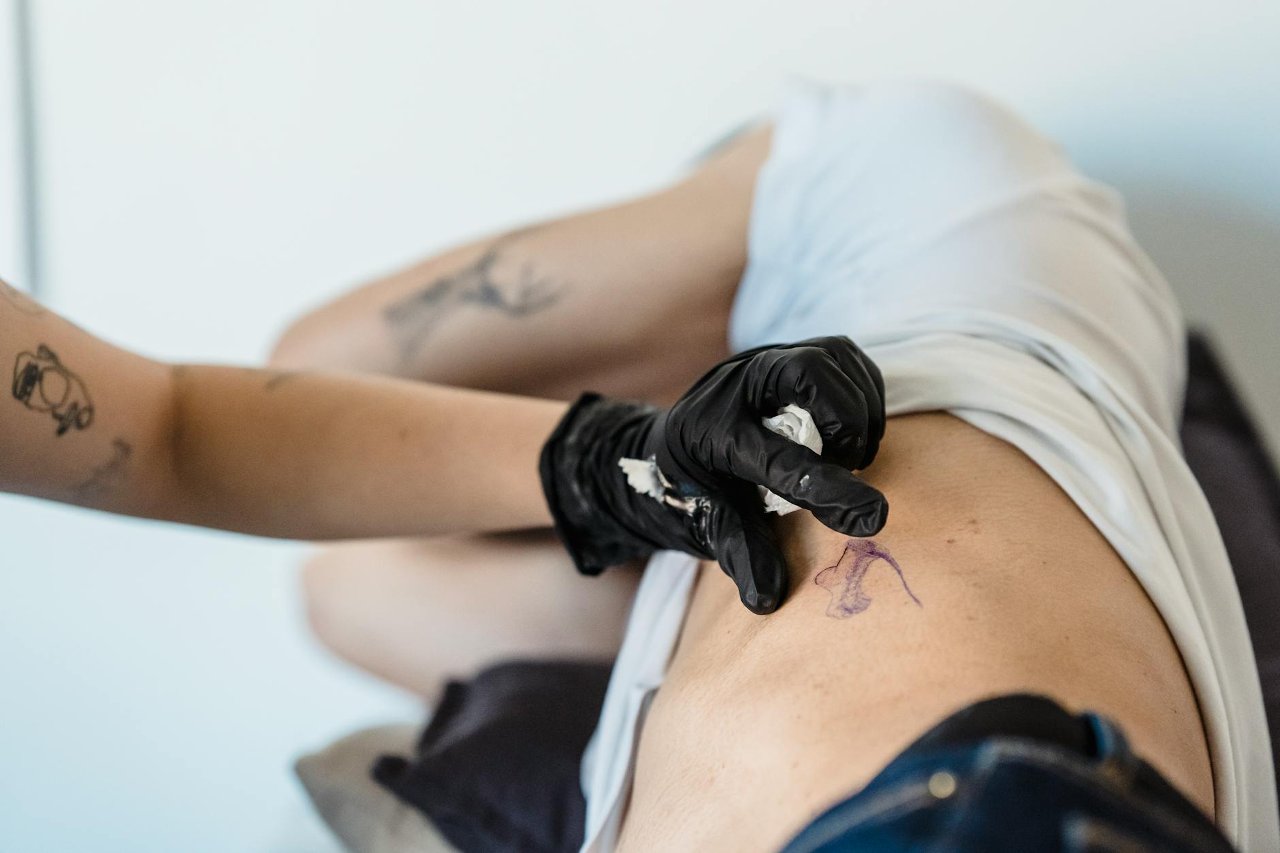
Tattoo deposit Switzerland: if you’ve been booking ink here, you’ve seen it. That little “deposit required” line in the DM or the booking form. Some people get weirdly offended by it, but honestly, after enough time in Swiss studios watching calendars fill up months ahead, I’m surprised deposits aren’t higher.
A deposit isn’t a punishment. It’s a filter. It keeps serious clients on the books and protects an artist’s time in a country where studio rent, insurance, supplies, and taxes are very real.
How Much Is a Tattoo Deposit in Switzerland, Really?
In my experience, most shops in Switzerland land in a pretty consistent range, but it depends on the artist, the city, and the size of the piece.
Here’s what you’ll commonly see: - CHF 50-100 for small tattoos or short appointments (think 1-2 hours) - CHF 100-200 for medium pieces and half-day sessions - CHF 200-500+ for full-day sessions, large-scale work, or in-demand artists - A percentage (often 20-30%) for big multi-session projects like sleeves or backpieces
Zurich and Geneva tend to skew higher, just because everything costs more and demand is wild. Basel, Bern, Lausanne, St. Gallen, you’ll still see the same structure, just sometimes a touch less.
And yes, sometimes you’ll get a fixed deposit even if the tattoo price changes. That’s normal. The deposit is more about reserving time than pre-paying the whole tattoo.
Why Artists Ask for a Deposit (And Why It’s Fair)
Look, when you book a tattoo, you’re not reserving a chair. You’re reserving someone’s day, their prep time, and their mental bandwidth.
A good artist usually does work before you ever walk in: - Drawing and revising your design - Printing stencils and planning placement - Setting up needles, inks, and machines for your skin and the style - Blocking a time slot they could have sold to someone else
I remember sitting in a studio in Zurich while an artist showed me their week. One cancellation didn’t just “free up” an afternoon. It blew a hole in the schedule that was almost impossible to fill last minute. Deposits keep that from happening every other day.
How Deposits Work: Applied, Non-Refundable, Transferable
Most Swiss studios handle deposits in one of these ways: - Applied to the final price: you pay the rest on tattoo day - Non-refundable if you cancel late or no-show: common and reasonable - Transferable if you reschedule with enough notice: also common
The key phrase is “enough notice.” Many artists set it at 48-72 hours. Some require a full week, especially for full-day bookings. If you reschedule within the allowed window, the deposit typically rolls over.
But if you cancel the night before because “something came up,” the deposit is usually gone. And honestly, it should be. That day was yours.
What to Ask Before You Pay (So There’s No Drama Later)
Here’s the thing: a professional artist will not mind these questions. If anything, it signals you’re organized.
Ask: - Is the deposit deducted from the total price? - What’s the reschedule window to keep my deposit? - If I need a second session, do I pay another deposit? - How do you take deposits (TWINT, bank transfer, card, cash in studio)?
And get the policy in writing. A screenshot of the message is enough.
Red Flags With Tattoo Deposits in Switzerland
But, not every “deposit” situation is legit. I’ve also seen the sketchy side, usually in rushed DMs.
Watch out for: - Someone demanding full payment upfront for a first-time client (a deposit is normal, full prepay is not) - No portfolio, no healed work, no studio address - Weird pressure tactics like “pay in 10 minutes or you lose the slot” - Deposits sent to random personal accounts with no paper trail
If you’re browsing artists on platforms like Tattoomii, it’s a lot easier to sanity-check portfolios and booking details before money moves.
How to Make the Deposit Worth It (Your Part of the Deal)
A deposit buys you commitment from the artist, but it also asks you to show up like an adult.
Do this: - Confirm the date, time, and location the day before - Don’t change the concept three times after the artist starts drawing - Show up fed, hydrated, and on time - If life happens, reschedule as early as you can (not “morning of”)
A friend of mine got her first tattoo at 30 in Lausanne and was nervous about the deposit. After the session, she said the deposit actually made her feel better. Like, “Okay, this is real. We’re doing it.”
FAQ
Is a tattoo deposit in Switzerland refundable? Usually not if you cancel late or no-show. Many artists will let you transfer it to a new date if you reschedule within their policy window.
How much deposit should I expect for a small tattoo in Switzerland? Commonly CHF 50-100, depending on the shop and how far out you’re booking. If it’s a highly sought-after artist, it can be higher.
Can I pay a tattoo deposit with TWINT? Often yes, especially in Switzerland. Many studios also accept bank transfer, card, or cash in person. Ask what they prefer and keep a receipt or confirmation.
Why do some artists charge a percentage instead of a fixed deposit? For large projects, a percentage (often 20-30%) scales with the time and prep involved. It helps protect the artist if a full-day or multi-day plan falls apart.
A deposit isn’t a punishment. It’s a filter. It keeps serious clients on the books and protects an artist’s time in a country where studio rent, insurance, supplies, and taxes are very real.
How Much Is a Tattoo Deposit in Switzerland, Really?
In my experience, most shops in Switzerland land in a pretty consistent range, but it depends on the artist, the city, and the size of the piece.
Here’s what you’ll commonly see: - CHF 50-100 for small tattoos or short appointments (think 1-2 hours) - CHF 100-200 for medium pieces and half-day sessions - CHF 200-500+ for full-day sessions, large-scale work, or in-demand artists - A percentage (often 20-30%) for big multi-session projects like sleeves or backpieces
Zurich and Geneva tend to skew higher, just because everything costs more and demand is wild. Basel, Bern, Lausanne, St. Gallen, you’ll still see the same structure, just sometimes a touch less.
And yes, sometimes you’ll get a fixed deposit even if the tattoo price changes. That’s normal. The deposit is more about reserving time than pre-paying the whole tattoo.
Why Artists Ask for a Deposit (And Why It’s Fair)
Look, when you book a tattoo, you’re not reserving a chair. You’re reserving someone’s day, their prep time, and their mental bandwidth.
A good artist usually does work before you ever walk in: - Drawing and revising your design - Printing stencils and planning placement - Setting up needles, inks, and machines for your skin and the style - Blocking a time slot they could have sold to someone else
I remember sitting in a studio in Zurich while an artist showed me their week. One cancellation didn’t just “free up” an afternoon. It blew a hole in the schedule that was almost impossible to fill last minute. Deposits keep that from happening every other day.
How Deposits Work: Applied, Non-Refundable, Transferable
Most Swiss studios handle deposits in one of these ways: - Applied to the final price: you pay the rest on tattoo day - Non-refundable if you cancel late or no-show: common and reasonable - Transferable if you reschedule with enough notice: also common
The key phrase is “enough notice.” Many artists set it at 48-72 hours. Some require a full week, especially for full-day bookings. If you reschedule within the allowed window, the deposit typically rolls over.
But if you cancel the night before because “something came up,” the deposit is usually gone. And honestly, it should be. That day was yours.
What to Ask Before You Pay (So There’s No Drama Later)
Here’s the thing: a professional artist will not mind these questions. If anything, it signals you’re organized.
Ask: - Is the deposit deducted from the total price? - What’s the reschedule window to keep my deposit? - If I need a second session, do I pay another deposit? - How do you take deposits (TWINT, bank transfer, card, cash in studio)?
And get the policy in writing. A screenshot of the message is enough.
Red Flags With Tattoo Deposits in Switzerland
But, not every “deposit” situation is legit. I’ve also seen the sketchy side, usually in rushed DMs.
Watch out for: - Someone demanding full payment upfront for a first-time client (a deposit is normal, full prepay is not) - No portfolio, no healed work, no studio address - Weird pressure tactics like “pay in 10 minutes or you lose the slot” - Deposits sent to random personal accounts with no paper trail
If you’re browsing artists on platforms like Tattoomii, it’s a lot easier to sanity-check portfolios and booking details before money moves.
How to Make the Deposit Worth It (Your Part of the Deal)
A deposit buys you commitment from the artist, but it also asks you to show up like an adult.
Do this: - Confirm the date, time, and location the day before - Don’t change the concept three times after the artist starts drawing - Show up fed, hydrated, and on time - If life happens, reschedule as early as you can (not “morning of”)
A friend of mine got her first tattoo at 30 in Lausanne and was nervous about the deposit. After the session, she said the deposit actually made her feel better. Like, “Okay, this is real. We’re doing it.”
FAQ
Is a tattoo deposit in Switzerland refundable? Usually not if you cancel late or no-show. Many artists will let you transfer it to a new date if you reschedule within their policy window.
How much deposit should I expect for a small tattoo in Switzerland? Commonly CHF 50-100, depending on the shop and how far out you’re booking. If it’s a highly sought-after artist, it can be higher.
Can I pay a tattoo deposit with TWINT? Often yes, especially in Switzerland. Many studios also accept bank transfer, card, or cash in person. Ask what they prefer and keep a receipt or confirmation.
Why do some artists charge a percentage instead of a fixed deposit? For large projects, a percentage (often 20-30%) scales with the time and prep involved. It helps protect the artist if a full-day or multi-day plan falls apart.
Written By Noa