Micro-realism tattoos: why tiny ink looks so real
February 15, 2026
5 min read
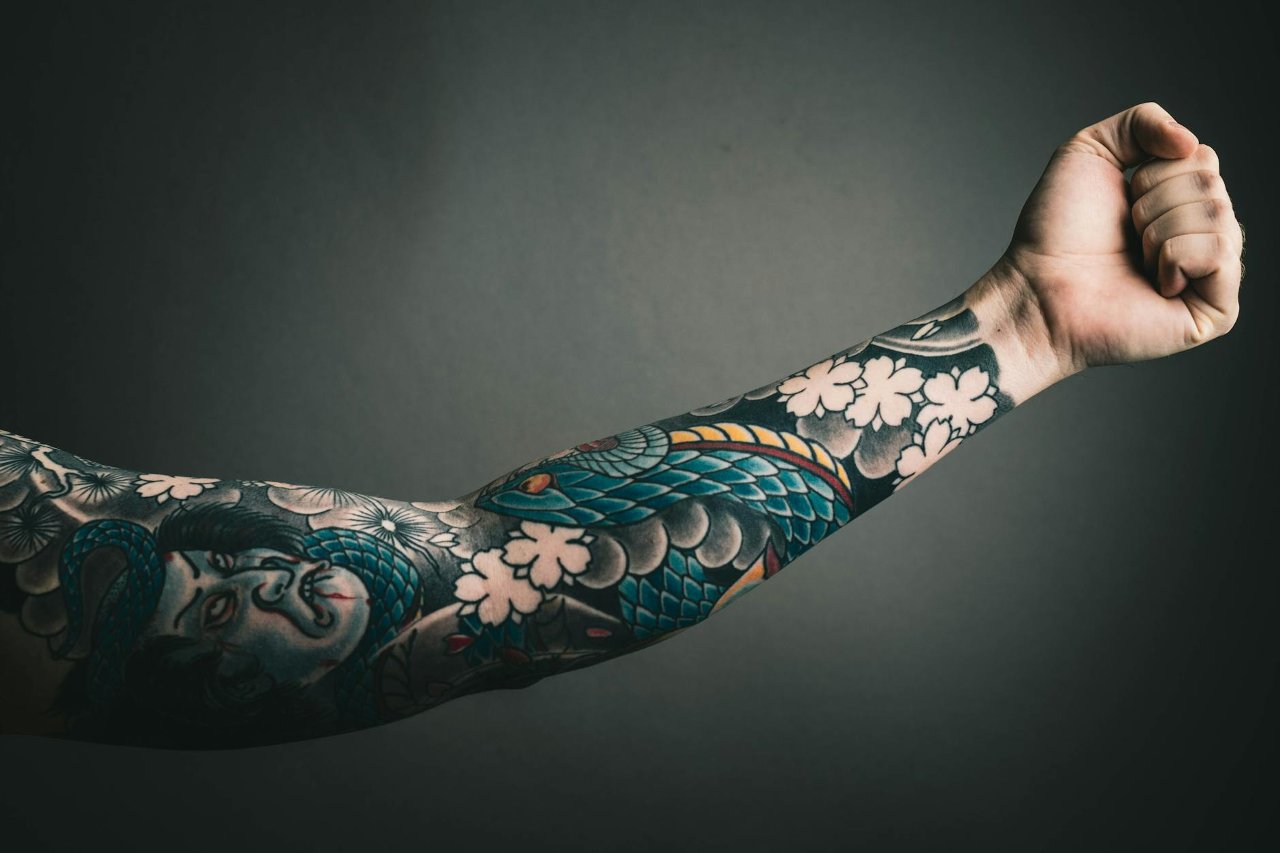
Micro-realism tattoos are having a real moment. Not “cute little tattoo” moment. I mean full-on, stop-you-in-your-tracks realism, but shrunk down to the size of a coin. A tiny tiger eye that looks wet. A two-inch portrait that somehow has emotion. Honestly, the first time I saw a good one in person, I leaned in like an art critic at a gallery and forgot I was in a loud shop.
But here’s the thing. This trend is amazing and also a little dangerous if you don’t respect the scale.
MICRO-REALISM TATTOOS ARE NOT JUST SMALL REALISM
People hear “micro” and assume it’s just realism, but smaller. Nope. The whole approach changes.
At that size, your artist is basically tattooing with whispers. There’s less room for contrast, less room for texture, and way less room for mistakes. A bold realism piece can survive a slightly wobbly edge because the eye reads the overall image. Micro-realism tattoos don’t get that luxury. One muddy shadow and your “baby lion” turns into a beige smudge with feelings.
I remember sitting in a studio in Brooklyn watching an artist work on a micro portrait. He kept stopping, wiping, stepping back, changing needles like he was tuning an instrument. The client thought the pauses were nerves. The artist was just being careful, because careful is the whole game.
WHY EVERYONE WANTS THEM (AND I GET IT)
And yes, the hype makes sense. Micro-realism tattoos hit that sweet spot: subtle from far away, insanely detailed up close. They photograph beautifully. They feel modern. They also fit real life better for a lot of people. Not everyone wants a full sleeve right now, but plenty of us still want something that feels like art, not just a symbol.
Also, micro-realism plays well with other styles. You can tuck a tiny realistic butterfly next to fine line script, or add a small realistic object into a patchwork sleeve without it screaming over everything else.
THE AGING TALK NOBODY WANTS, BUT YOU NEED
Look, ink spreads. That’s not pessimism, that’s skin.
Micro-realism tattoos can age beautifully, but only if they’re designed for aging. The biggest issue is values that are too close together. If your light gray and your medium gray are basically siblings, give it a few years and they’ll merge at the family reunion.
Practical things I’d ask for, every time: - Stronger contrast than you think you need (especially in the focal point) - Slightly simplified details (you want “reads well,” not “every eyelash”) - Clean negative space breaks so the image doesn’t become one soft cloud - A plan for touch-ups, because sometimes that’s just part of owning the style
Placement matters too. If you want it crisp longer, think areas with less friction and less sun: upper arm, outer forearm, calf, thigh. Hands, fingers, and inner bicep can be gorgeous, but they’re playing on hard mode.
HOW TO PICK AN ARTIST WHO ACTUALLY DOES MICRO REALISM
But not every realism artist does micro well. And not every fine line artist understands realism values. Micro-realism tattoos sit right in that overlap where skill has to be specific.
Here’s what I look for in portfolios: - Healed photos. Fresh tattoos can lie to you. - Consistency across multiple pieces, not one lucky banger - Close-up shots that show clean transitions, not just a blurred “aesthetic” pic - Subjects similar to yours (fur, faces, metallic objects, flowers all behave differently)
And ask straight-up what needle groupings they use for micro work and how they build contrast. A good artist won’t get defensive. They’ll nerd out a little. That’s a green flag.
If you’re still hunting, platforms like Tattoomii make it easier to browse portfolios in one place and compare artists who actually specialize in the style, not just dabble in it when a client asks.
DESIGN TIPS THAT MAKE MICRO REALISM LOOK EXPENSIVE
Here’s a secret: the best micro-realism tattoos aren’t always the most detailed. They’re the most intentional.
A few ideas that tend to work ridiculously well: - Single-subject designs (one rose, one eye, one bird) with a clear focal point - Slightly larger than “micro” if the subject is complex (especially portraits) - Background kept minimal or implied, not fully rendered - Black and gray for longevity, or very controlled color accents if you want pop
A friend of mine got her first tattoo at 30, a tiny realistic matchbox with a little burn mark and smoke. The artist left breathing room around the flame and made the darkest darks really dark. Two years later it still looks sharp, and it’s because they designed it to survive.
FAQ
Do micro-realism tattoos hurt more than other tattoos? Not necessarily. They’re often quicker, which helps. But some micro placements (like ribs, wrist, ankle) can sting, and the repeated passes to build smooth shading can feel spicy.
How small is too small for micro-realism tattoos? If it includes a face or multiple tiny elements, “too small” happens fast. If your design needs individual teeth, eyelashes, or letters, consider sizing up so it still reads in five years.
Do micro-realism tattoos need touch-ups? Sometimes, yes. Skin type, placement, sun exposure, and how light the tattoo is all matter. A well-designed piece can age great, but planning for a future refresh is smart.
What should I bring to my micro-realism tattoo consultation? Bring a few reference photos, not just one. Tell the artist what you like about each (lighting, mood, detail level). And ask to see healed micro-realism work so you’re choosing with your eyes wide open.
But here’s the thing. This trend is amazing and also a little dangerous if you don’t respect the scale.
MICRO-REALISM TATTOOS ARE NOT JUST SMALL REALISM
People hear “micro” and assume it’s just realism, but smaller. Nope. The whole approach changes.
At that size, your artist is basically tattooing with whispers. There’s less room for contrast, less room for texture, and way less room for mistakes. A bold realism piece can survive a slightly wobbly edge because the eye reads the overall image. Micro-realism tattoos don’t get that luxury. One muddy shadow and your “baby lion” turns into a beige smudge with feelings.
I remember sitting in a studio in Brooklyn watching an artist work on a micro portrait. He kept stopping, wiping, stepping back, changing needles like he was tuning an instrument. The client thought the pauses were nerves. The artist was just being careful, because careful is the whole game.
WHY EVERYONE WANTS THEM (AND I GET IT)
And yes, the hype makes sense. Micro-realism tattoos hit that sweet spot: subtle from far away, insanely detailed up close. They photograph beautifully. They feel modern. They also fit real life better for a lot of people. Not everyone wants a full sleeve right now, but plenty of us still want something that feels like art, not just a symbol.
Also, micro-realism plays well with other styles. You can tuck a tiny realistic butterfly next to fine line script, or add a small realistic object into a patchwork sleeve without it screaming over everything else.
THE AGING TALK NOBODY WANTS, BUT YOU NEED
Look, ink spreads. That’s not pessimism, that’s skin.
Micro-realism tattoos can age beautifully, but only if they’re designed for aging. The biggest issue is values that are too close together. If your light gray and your medium gray are basically siblings, give it a few years and they’ll merge at the family reunion.
Practical things I’d ask for, every time: - Stronger contrast than you think you need (especially in the focal point) - Slightly simplified details (you want “reads well,” not “every eyelash”) - Clean negative space breaks so the image doesn’t become one soft cloud - A plan for touch-ups, because sometimes that’s just part of owning the style
Placement matters too. If you want it crisp longer, think areas with less friction and less sun: upper arm, outer forearm, calf, thigh. Hands, fingers, and inner bicep can be gorgeous, but they’re playing on hard mode.
HOW TO PICK AN ARTIST WHO ACTUALLY DOES MICRO REALISM
But not every realism artist does micro well. And not every fine line artist understands realism values. Micro-realism tattoos sit right in that overlap where skill has to be specific.
Here’s what I look for in portfolios: - Healed photos. Fresh tattoos can lie to you. - Consistency across multiple pieces, not one lucky banger - Close-up shots that show clean transitions, not just a blurred “aesthetic” pic - Subjects similar to yours (fur, faces, metallic objects, flowers all behave differently)
And ask straight-up what needle groupings they use for micro work and how they build contrast. A good artist won’t get defensive. They’ll nerd out a little. That’s a green flag.
If you’re still hunting, platforms like Tattoomii make it easier to browse portfolios in one place and compare artists who actually specialize in the style, not just dabble in it when a client asks.
DESIGN TIPS THAT MAKE MICRO REALISM LOOK EXPENSIVE
Here’s a secret: the best micro-realism tattoos aren’t always the most detailed. They’re the most intentional.
A few ideas that tend to work ridiculously well: - Single-subject designs (one rose, one eye, one bird) with a clear focal point - Slightly larger than “micro” if the subject is complex (especially portraits) - Background kept minimal or implied, not fully rendered - Black and gray for longevity, or very controlled color accents if you want pop
A friend of mine got her first tattoo at 30, a tiny realistic matchbox with a little burn mark and smoke. The artist left breathing room around the flame and made the darkest darks really dark. Two years later it still looks sharp, and it’s because they designed it to survive.
FAQ
Do micro-realism tattoos hurt more than other tattoos? Not necessarily. They’re often quicker, which helps. But some micro placements (like ribs, wrist, ankle) can sting, and the repeated passes to build smooth shading can feel spicy.
How small is too small for micro-realism tattoos? If it includes a face or multiple tiny elements, “too small” happens fast. If your design needs individual teeth, eyelashes, or letters, consider sizing up so it still reads in five years.
Do micro-realism tattoos need touch-ups? Sometimes, yes. Skin type, placement, sun exposure, and how light the tattoo is all matter. A well-designed piece can age great, but planning for a future refresh is smart.
What should I bring to my micro-realism tattoo consultation? Bring a few reference photos, not just one. Tell the artist what you like about each (lighting, mood, detail level). And ask to see healed micro-realism work so you’re choosing with your eyes wide open.
Written By Noa