Tattoo Allergies: Signs, Causes & What to Do
February 13, 2026
5 min read
The Weird Truth About Tattoo Allergies
Tattoo allergies are real, and they can be confusing because they don’t always show up right away. I’ve seen fresh tattoos heal beautifully for weeks, then suddenly get angry and itchy like they’re auditioning for a horror movie. And honestly, that delay is what throws people. They assume it’s aftercare, or “my skin is just dry,” or they blame the artist.
Here’s the thing, most tattoos get a little red and puffy at first. That’s normal inflammation. Tattoo allergies are different. They tend to linger, flare, and feel intensely itchy or bumpy in a way that doesn’t match the rest of the healing.
Signs That It’s More Than Normal Healing
I remember sitting in a studio in Brooklyn while a guy in the chair next to me kept insisting his tattoo was “just healing.” But his red rose looked like it had hives. The artist took one look and said, “That’s not normal.” He was right.
Common signs of tattoo allergies include: - Intense itching that doesn’t taper off after the first week - Raised, bumpy texture (like little welts) especially in specific color areas - Persistent redness that stays bright, not the typical fading pink - Swelling that comes back after it seemed to calm down - Oozing or crusting beyond normal healing (not just light scabbing) - Rash spreading outside the tattoo (this one gets my attention fast)
And then there’s the delayed reaction: months or even years later, one color starts puffing up when you’re sick, stressed, or out in the sun. If that’s you, you’re not imagining it.
What Causes Tattoo Ink Reactions (And Why Red Is the Usual Suspect)
But let’s talk causes, because “allergic to ink” is a little too simple. A lot of reactions are contact dermatitis (your skin is mad about something touching it), while others are true allergic reactions to specific pigments.
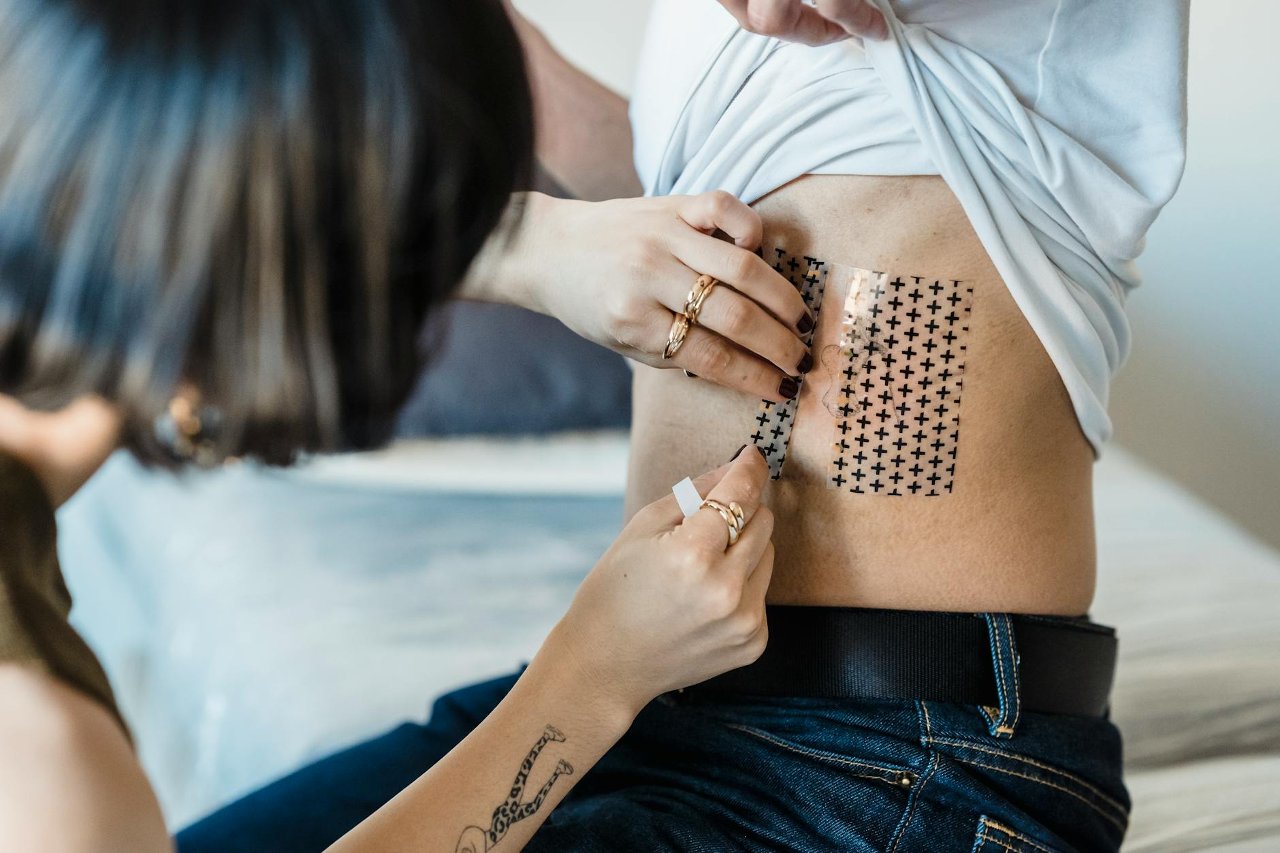
In my experience, the biggest troublemakers are: - Red pigments (classic). Red ink allergy is common enough that most artists have stories. - Certain yellow and orange pigments, sometimes tied to sun sensitivity. - Aftercare products (fragrance, lanolin, certain ointments). People blame the ink when it’s actually the balm. - Adhesives (second-skin bandages, medical tape). The tattoo is fine, the rectangle rash around it is the giveaway.
What’s wild is that inks aren’t one ingredient. Pigment, carrier fluids, preservatives, and whatever else is in that bottle can vary by brand and batch. That’s why two tattoos from two shops can heal totally differently.
How to Handle Tattoo Allergies Without Making It Worse
Look, if your tattoo is hot, painful, and spreading redness fast, don’t “wait it out.” That’s how infections get ignored. Allergies and infections can look similar at first, and you don’t win points for being tough.
If it seems mild (itchy, bumpy, localized), here’s the practical approach I’ve seen work: - Stop all new products. Strip your routine down. Gentle, fragrance-free wash and a very light, plain moisturizer. - Don’t scratch. Pat or lightly tap if you’re going to lose your mind. - Cool compresses can calm inflammation. - Over-the-counter antihistamines help some people with itching. - Hydrocortisone can help with allergic inflammation, but ask a pharmacist or clinician first, and don’t slather it on a fresh, open wound.
And call your artist. A good one won’t get defensive, they’ll help you troubleshoot. This is also where platforms like Tattoomii are handy, because you can pick artists with consistent healed-work photos and clear aftercare guidance.
When to See a Doctor (No, You’re Not Overreacting)
Go get medical help if you notice: - Fever, chills, or feeling run-down - Rapidly spreading redness, heat, or severe pain - Pus or a bad smell - Red streaks moving away from the tattoo - Swelling of lips/eyes or trouble breathing (urgent, emergency care)
A clinician or dermatologist can tell you if it’s dermatitis, an infection, or something like a granulomatous reaction (those firm little bumps that don’t quit). Sometimes you’ll need prescription steroid cream. Rarely, people end up needing laser removal because the pigment keeps triggering reactions. That’s the extreme end, but it happens.
How to Lower Your Risk Next Time
And if you’ve had tattoo allergies once, you’re not banned from tattoos forever. You just have to be smarter about it.
A few moves that actually help: - Tell your artist what happened, and which colors were involved. - Consider avoiding the problem pigment (often red) or keeping it minimal. - Patch testing sounds nice, but it’s not foolproof for tattoo pigments. Still, some derms can help with allergy testing for components. - Be cautious with second-skin adhesives if you’ve reacted before. - Don’t experiment with random aftercare products. Simple is usually better.
FAQ
How do I tell tattoo allergies from an infection? Allergies tend to be very itchy, bumpy, and sometimes limited to a color area. Infections usually get more painful, hot, swollen, and can spread with pus or fever. When in doubt, get checked.
Can tattoo allergies show up years later? Yes. Delayed reactions happen, especially with certain pigments. Sun exposure, illness, and immune changes can trigger a flare in an old tattoo.
Is red ink the most common cause of tattoo ink allergy? Red is the most notorious, and artists see it a lot. But reactions can happen with any pigment, aftercare product, or adhesive.
Should I remove a tattoo if I’m having an allergic reaction? Not automatically. Many reactions calm down with proper care and medical treatment. If symptoms keep returning or won’t resolve, a dermatologist can talk you through options, including removal.
Tattoo allergies are real, and they can be confusing because they don’t always show up right away. I’ve seen fresh tattoos heal beautifully for weeks, then suddenly get angry and itchy like they’re auditioning for a horror movie. And honestly, that delay is what throws people. They assume it’s aftercare, or “my skin is just dry,” or they blame the artist.
Here’s the thing, most tattoos get a little red and puffy at first. That’s normal inflammation. Tattoo allergies are different. They tend to linger, flare, and feel intensely itchy or bumpy in a way that doesn’t match the rest of the healing.
Signs That It’s More Than Normal Healing
I remember sitting in a studio in Brooklyn while a guy in the chair next to me kept insisting his tattoo was “just healing.” But his red rose looked like it had hives. The artist took one look and said, “That’s not normal.” He was right.
Common signs of tattoo allergies include: - Intense itching that doesn’t taper off after the first week - Raised, bumpy texture (like little welts) especially in specific color areas - Persistent redness that stays bright, not the typical fading pink - Swelling that comes back after it seemed to calm down - Oozing or crusting beyond normal healing (not just light scabbing) - Rash spreading outside the tattoo (this one gets my attention fast)
And then there’s the delayed reaction: months or even years later, one color starts puffing up when you’re sick, stressed, or out in the sun. If that’s you, you’re not imagining it.
What Causes Tattoo Ink Reactions (And Why Red Is the Usual Suspect)
But let’s talk causes, because “allergic to ink” is a little too simple. A lot of reactions are contact dermatitis (your skin is mad about something touching it), while others are true allergic reactions to specific pigments.
In my experience, the biggest troublemakers are: - Red pigments (classic). Red ink allergy is common enough that most artists have stories. - Certain yellow and orange pigments, sometimes tied to sun sensitivity. - Aftercare products (fragrance, lanolin, certain ointments). People blame the ink when it’s actually the balm. - Adhesives (second-skin bandages, medical tape). The tattoo is fine, the rectangle rash around it is the giveaway.
What’s wild is that inks aren’t one ingredient. Pigment, carrier fluids, preservatives, and whatever else is in that bottle can vary by brand and batch. That’s why two tattoos from two shops can heal totally differently.
How to Handle Tattoo Allergies Without Making It Worse
Look, if your tattoo is hot, painful, and spreading redness fast, don’t “wait it out.” That’s how infections get ignored. Allergies and infections can look similar at first, and you don’t win points for being tough.
If it seems mild (itchy, bumpy, localized), here’s the practical approach I’ve seen work: - Stop all new products. Strip your routine down. Gentle, fragrance-free wash and a very light, plain moisturizer. - Don’t scratch. Pat or lightly tap if you’re going to lose your mind. - Cool compresses can calm inflammation. - Over-the-counter antihistamines help some people with itching. - Hydrocortisone can help with allergic inflammation, but ask a pharmacist or clinician first, and don’t slather it on a fresh, open wound.
And call your artist. A good one won’t get defensive, they’ll help you troubleshoot. This is also where platforms like Tattoomii are handy, because you can pick artists with consistent healed-work photos and clear aftercare guidance.
When to See a Doctor (No, You’re Not Overreacting)
Go get medical help if you notice: - Fever, chills, or feeling run-down - Rapidly spreading redness, heat, or severe pain - Pus or a bad smell - Red streaks moving away from the tattoo - Swelling of lips/eyes or trouble breathing (urgent, emergency care)
A clinician or dermatologist can tell you if it’s dermatitis, an infection, or something like a granulomatous reaction (those firm little bumps that don’t quit). Sometimes you’ll need prescription steroid cream. Rarely, people end up needing laser removal because the pigment keeps triggering reactions. That’s the extreme end, but it happens.
How to Lower Your Risk Next Time
And if you’ve had tattoo allergies once, you’re not banned from tattoos forever. You just have to be smarter about it.
A few moves that actually help: - Tell your artist what happened, and which colors were involved. - Consider avoiding the problem pigment (often red) or keeping it minimal. - Patch testing sounds nice, but it’s not foolproof for tattoo pigments. Still, some derms can help with allergy testing for components. - Be cautious with second-skin adhesives if you’ve reacted before. - Don’t experiment with random aftercare products. Simple is usually better.
FAQ
How do I tell tattoo allergies from an infection? Allergies tend to be very itchy, bumpy, and sometimes limited to a color area. Infections usually get more painful, hot, swollen, and can spread with pus or fever. When in doubt, get checked.
Can tattoo allergies show up years later? Yes. Delayed reactions happen, especially with certain pigments. Sun exposure, illness, and immune changes can trigger a flare in an old tattoo.
Is red ink the most common cause of tattoo ink allergy? Red is the most notorious, and artists see it a lot. But reactions can happen with any pigment, aftercare product, or adhesive.
Should I remove a tattoo if I’m having an allergic reaction? Not automatically. Many reactions calm down with proper care and medical treatment. If symptoms keep returning or won’t resolve, a dermatologist can talk you through options, including removal.
Written By Noa